
In this blog post, we’ll delve into these unexpected substitutes, perfect for situations where rolling papers are nowhere to be found. Whether you’re out in the wilderness, partying with friends, or simply forgot to stock up on rolling papers, these inventive solutions have got you covered. Let’s explore the unconventional options to tackle your rolling paper dilemma.
What are Rolling Papers?
Rolling papers are slender, delicate sheets primarily crafted from paper, though some varieties incorporate materials like rice or hemp. They serve as the casing for tobacco, Cannabis, or other herbs, offering smokers a customizable experience.
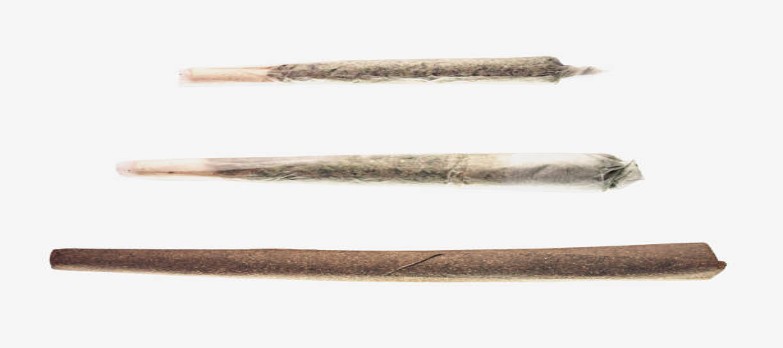
Available in an array of sizes, materials, and flavors, rolling papers cater to diverse preferences, allowing enthusiasts to tailor their smoking rituals. They are indispensable for those who relish the art of hand-rolling cigarettes or joints, providing a portable and convenient means to indulge in smoking without relying on pre-rolled options. From everyday household items to natural materials, what can you use as rolling paper?
8 Rolling Paper Alternatives
Rolling papers are a key component for those who enjoy smoking certain substances. However, in a pinch or in situations where rolling papers are not readily available, what can you use as rolling paper? Here are a few alternatives to consider:
- Homemade rolling papers: If you’re feeling crafty, you can create your own rolling papers using materials like corn husks, certain types of leaves (such as banana leaves or rose petals), or even thin, edible paper. Simply ensure that whatever material you choose is clean, dry, and free from any harmful substances.
- Pages from a book or magazine: While this might not be the most conventional method, in a bind, tearing out a page from a book or magazine can serve as a makeshift rolling paper. Opt for pages that are thin and free from heavy ink or glossy coatings, as these can produce undesirable tastes and odors when burned.
- Tobacco or herbal wraps: Some people use tobacco or herbal wraps, which are typically used for rolling cigars or blunts, as an alternative to traditional rolling papers.
- Receipt paper: The thin, white paper commonly used for printing receipts at stores and restaurants can also be used as a substitute for rolling papers. However, it’s important to note that this paper may contain chemicals or coatings that could be harmful when burned.
- Corn husks: Corn husks have been used for centuries in certain cultures as a natural wrapping for smoking materials.
- Empty tea bags: If you have empty, unused tea bags lying around, you can carefully open them up and use the paper.
- Fruit or vegetable skins: Some people use thin slices of fruits or vegetables, such as apple skins or zucchini slices.
- Aluminum foil (not recommended): While aluminum foil is sometimes used as a last resort, it’s not the safest option due to potential harmful fumes.
For a deeper dive into the differences between joints and blunts, check out our detailed comparison on joints vs. blunts.
How to Use Rolling Paper Alternatives?
When it comes to rolling paper alternatives, there are various methods and materials you can use. Here’s a guide on preparation techniques and rolling methods:
Preparation Techniques:
- Step 1. Selecting Suitable Alternatives: Look for materials that are thin, pliable, and safe to smoke.
- Step 2. Preparing the Material: Ensure materials are clean, dry, and trimmed properly.
- Step 3. Drying: Dry materials if too moist.
- Step 4. Optional Flavoring: Add flavors if desired.
Rolling Methods:
- Step 1. Classic Hand Rolling: Roll tightly and seal with moisture.
- Step 2. Machine Rolling: Use a rolling machine if available.
- Step 3. Twisting or Folding: Fold or twist pliable materials.
- Step 4. Experimentation: Try different techniques.
- Step 5. Practice Makes Perfect: Improve with practice.
Safety and Considerations of using Rolling Paper Alternatives
Here’s a breakdown of the safety considerations and environmental impacts of using rolling paper alternatives:
Health Concerns:
- Chemical Composition: Some alternatives may contain harmful chemicals.
- Combustion Byproducts: Burning materials can produce toxins.
- Allergies and Sensitivities: Some materials may trigger reactions.
Environmental Impact:
- Sustainability: Some materials are more eco-friendly.
- Biodegradability: Some break down more easily.
- Packaging: Consider waste impact.
- Carbon Footprint: Production contributes to emissions.
Additionally, if you’re looking for ways to enhance your smoking sessions, check out our article on How to Get Higher When Smoking Weed.
Conclusion
In conclusion, when you find yourself without traditional rolling papers, there’s no need to fret. A plethora of alternatives exists, ranging from household items to natural materials, offering inventive solutions to your rolling paper dilemma.
However, it’s crucial to consider safety and environmental factors when using alternatives. Some materials may contain chemicals or produce harmful byproducts when burned.
When it comes to enjoying your smoking experience with cannabis, consider exploring products from Herbwell Cannabis Company. We are renowned for our commitment to quality and innovation in the cannabis industry.